


Bahçehan Magazine
What is Cashew? Benefits, Nutritional Values and Consumption Recommendations
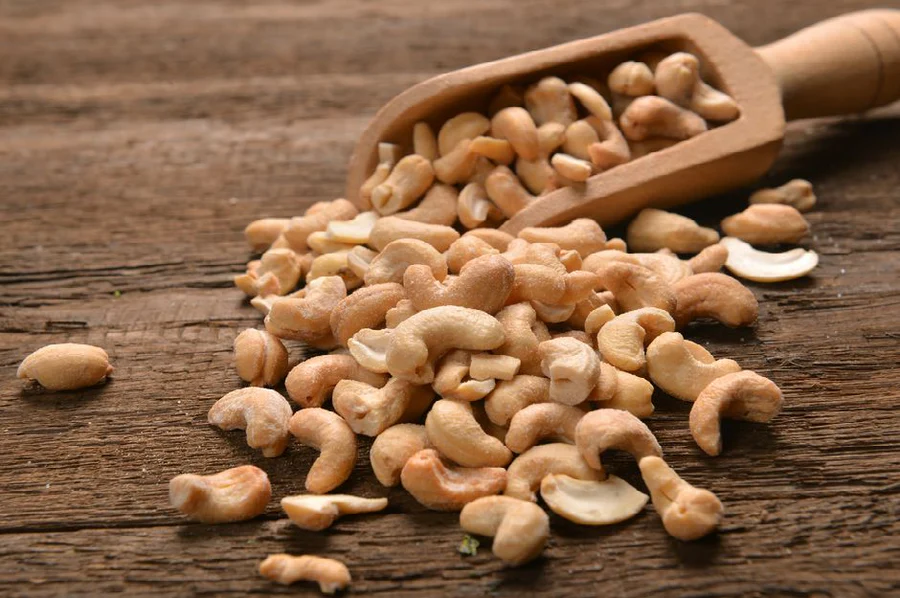
Standing out with its unique aroma, soft texture and high nutritional value, cashew is one of the world's most popular nuts. This food is rich in healthy fats, vitamins and minerals; It is preferred as an important part of a balanced diet. In this article, you can discover the properties of cashew, its growing conditions, its contributions to health and how it can be consumed in daily life.
What is Cashew? Benefits, Nutritional Values and Consumption Recommendations
With the increasing interest in healthy nutrition in recent years, cashew has become one of the most preferred nuts. Cashew, which can be consumed alone or easily adapted to different recipes with its slightly sweet aroma, soft texture and satisfying structure, is a very rich alternative in terms of nutritional value. In addition to being consumed as a snack, it finds its place in many recipes, from salads to hot dishes, from desserts to breakfast mixes.
Cashew attracts attention not only with its taste but also with the healthy fats, protein, fiber and minerals it contains. When consumed as part of a balanced diet, it can provide a feeling of fullness for a long time and contribute to meeting the daily vitamin and mineral needs.
What is Cashew?
Cashew is a valuable nut obtained from the seed under the fruit of the cashew tree, which grows in tropical climates. Although its homeland is Brazil, it is now widely grown in countries with hot climates such as India, Vietnam, Nigeria and Ivory Coast.
The cashew tree is a durable plant that remains green throughout the year. This tree loves hot and humid climates and is sensitive to low temperatures. For this reason, Türkiye's climatic conditions are not suitable for cashew cultivation on a commercial scale and most of the cashews consumed in our country are imported.
Why Is Cashew So Popular?
One of the most important reasons why cashew is popular is that it combines its nutritious structure with a delicious aroma. It contains many important minerals such as quality vegetable protein, unsaturated fatty acids, magnesium, phosphorus, copper, iron and zinc. It is also a food rich in vitamin E and various antioxidant components.
Its softer texture than many other nuts makes it easily consumed, especially by children and the elderly.
Contributions of Cashew to Health
When consumed in balanced and controlled amounts, cashew is among the foods that support healthy life.
Supports Heart Health
The mono- and polyunsaturated fatty acids contained in cashews have an important place in heart-friendly nutrition programs. It supports balanced eating habits thanks to its low saturated fat content. In addition, magnesium content also contributes to the maintenance of normal muscle functions.
Can Provide Satiety for a Long Time
Thanks to its richness in protein and fiber, cashew can help you stay full for longer when preferred as a snack. Thanks to this feature, it contributes to reducing the desire for unnecessary snacks and finds a place in healthy nutrition programs.
Supports Bone and Muscle Health
The phosphorus, magnesium and calcium minerals it contains support the protection of bone structure. It is also a valuable nutritional source of minerals for people who engage in regular physical activity.
Contributes to the Immune System
Zinc, copper and antioxidant compounds found in cashews help support the body's normal immune functions. When consumed as part of a balanced diet, it can have positive effects on overall health.
It is an energy-giving food
Thanks to its dense nutritional content, cashew contributes to meeting the energy needed during the day. It can be a nutritious snack alternative, especially for those who work at a busy pace, do sports and students.
KHow can aju be consumed?
The usage area of cashew is quite wide. The most common way of consumption is to eat it roasted or raw as snacks. In addition, it can also be used in different recipes in the kitchen.
It can be added to breakfast yoghurt and oat mixtures and create a crispy touch in seasonal salads. It can be used as a flavor enhancer in vegetable pilafs, noodle recipes and chicken dishes. It is also frequently preferred in homemade granola, energy balls and healthy dessert recipes.
For people who prefer a plant-based diet, cashew milk obtained from cashews and cashew-based creams are also very popular alternatives.
What to Pay Attention to When Consuming Cashew?
As with every food, it is important to consume cashews in moderation. Since it has a high energy content, it is recommended to pay attention to the daily portion amount. An average handful of cashews is considered sufficient for a balanced snack.
It would be a healthier choice to choose raw or less salty options as much as possible instead of salty and intensely roasted products. It is also important for individuals with nut allergies to seek expert advice before consuming cashews.
Conclusion
With its taste, nutritious structure and versatile use, cashew is one of the indispensable nuts for healthy eating habits. Thanks to the protein, healthy fats, vitamins and minerals it contains, it supports daily energy needs and contributes to a balanced diet. Cashew, which can be used in many recipes from snacks to main dishes, is a valuable food that appeals to both taste and healthy life goals when consumed in the right amount. You can add both flavor and nutrition to your tables with regular and conscious consumption.

What You Need to Know About Chocolate
Chocolate, one of the world's most popular delicacies, not only meets the need for sweets; It is among the indispensable products of kitchens with its unique aroma, different varieties and wide usage area.
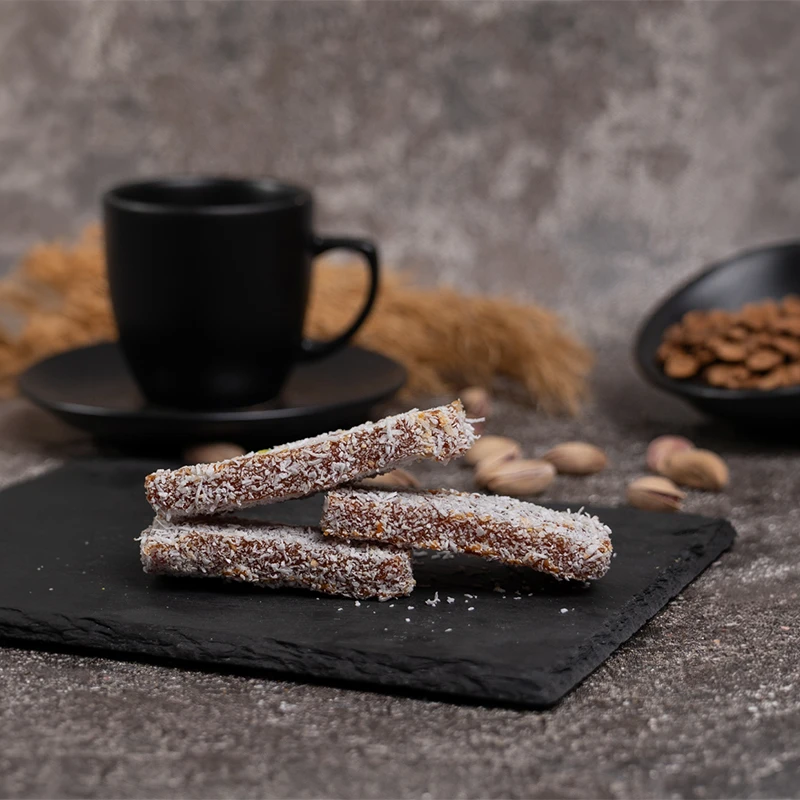
The Nutritious and Natural Form of Traditional Taste "Cezerye"
Cezerye, prepared with carrots, natural sweeteners and nuts, is one of the most popular desserts of traditional Turkish cuisine. This flavor, which stands out with its soft texture, unique aroma and nutritious content, is preferred both as a daily snack and as a treat on special occasions.
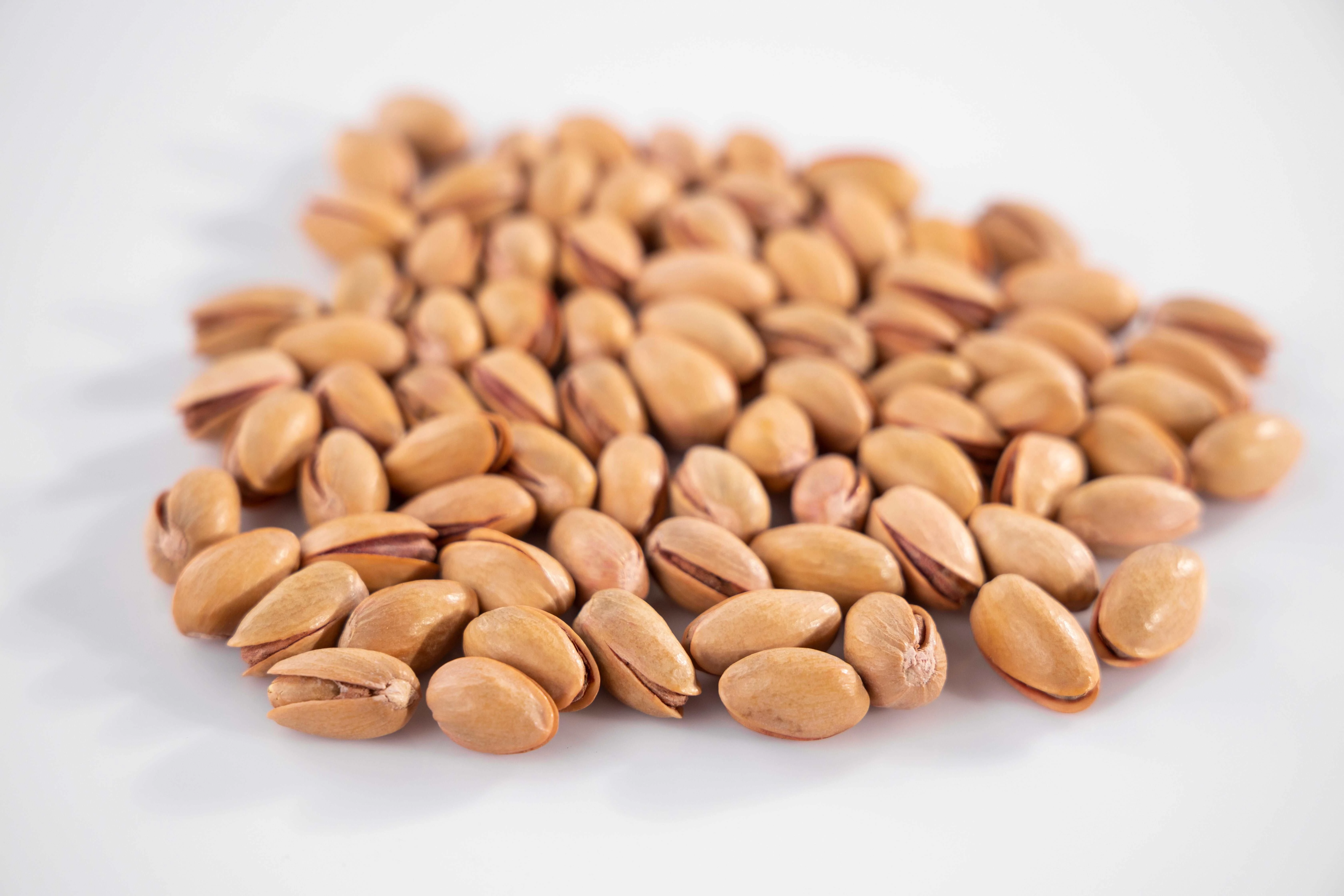
Pistachios: Taste, Nutritional Value and Contributions to Healthy Life
With its unique aroma, rich nutritional content and versatile use in the kitchen, pistachios are one of Türkiye's most valuable agricultural products. This special nut, used in many recipes from desserts to main dishes, is an important part of a balanced diet thanks to the vitamins, minerals and healthy oils it contains.