


Bahçehan Magazine
Benefits of Raw Pumpkin Seeds to the Body
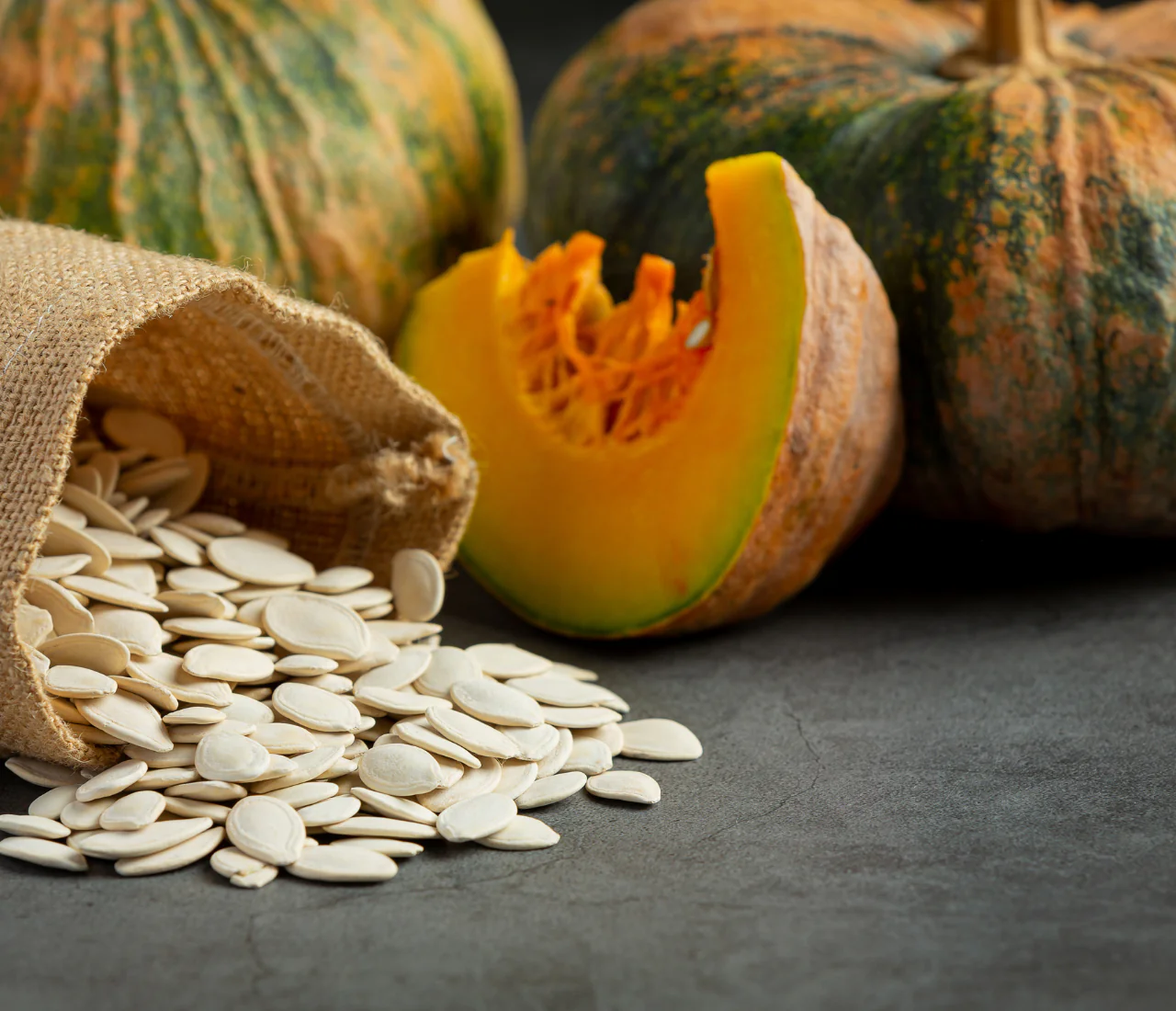
Raw pumpkin seeds are obtained from the fruit of the plant called squash, and pumpkins grow in various regions. Pumpkins are generally grown in warm climates, especially in regions with a Mediterranean climate. However, there are many different varieties available around the world...
Where Do Raw Pumpkin Seeds Grow?
Raw pumpkin seeds are obtained from the fruit of the plant called squash, and pumpkins grow in various regions. Pumpkins are generally grown in warm climates, especially in regions with a Mediterranean climate. However, there are many different varieties available around the world, so pumpkins can adapt to a variety of climatic conditions. They are especially widely grown in regions such as the United States, European countries, the Middle East, Asia and Australia. Pumpkin seeds are dried and processed after removing the fibrous tissue and seeds inside the pumpkins.
Benefits of Raw Pumpkin Seeds
In addition to being a healthy snack, raw pumpkin seeds also offer a number of health benefits. It is full of protein, fiber, healthy fats and various vitamins and minerals. Its protein and fiber content makes you feel full, while healthy fats support brain function and can reduce inflammation in the body.
Benefits of Raw Pumpkin Seeds When Consumed Openly
Raw pumpkin seeds provide rapid energy and nutritional support to the body when consumed on an empty stomach. The protein and healthy fats it contains make you feel full and suppress the feeling of hunger. This can help you maintain energy levels throughout the day and reduce the tendency to overeat.
What Vitamins Do Raw Pumpkin Seeds Contain?
Pumpkin seeds are a rich source of various vitamins and minerals. Here are some of the important vitamins of pumpkin seeds:
Vitamin E: Pumpkin seeds are especially rich in vitamin E. Vitamin E has antioxidant properties and protects cells against the harmful effects of free radicals. It is also important for skin health.
B vitamins: Pumpkin seeds contain various B vitamins. These include B1 (thiamine), B2 (riboflavin), B3 (niacin), B5 (pantothenic acid) and B6 (pyridoxine). These vitamins play important roles in energy metabolism and contribute to the healthy functioning of the body.
Folate (B9): Pumpkin seeds contain a form of B vitamin called folate. Folate is essential for basic biological functions such as cell division and DNA synthesis. It is also a critical vitamin for fetal development during pregnancy.
Choline: Pumpkin seeds contain a nutrient called choline. Choline is important for brain functions and memory, and is also required for the healthy formation of cell membranes.
Phosphorus: Pumpkin seeds contain the mineral phosphorus. Phosphorus is essential for bone health and plays a role in many biological processes such as energy production of cells and DNA and RNA synthesis.
Potassium: Pumpkin seeds are rich in the mineral potassium. Potassium regulates body fluid balance, supports nerve and muscle functions and controls blood pressure.
These vitamins and minerals support the health benefits of choosing pumpkin seeds as a healthy snack or part of a diet. However, as with any food item, it should be consumed as part of a balanced and varied diet.
Benefits of Raw Pumpkin Seeds to the Body
Raw pumpkin seeds are a nutritious snack that provides many benefits to the body. First of all, it is rich in healthy fats. It especially contains monounsaturated and polyunsaturated fatty acids, which are important for heart health. These healthy fats lower bad cholesterol and support cardiovascular health by increasing good cholesterol.
Additionally, pumpkin seeds are high in protein and fiber.Contains. Protein is the basic building block for muscle repair and growth. Fiber regulates digestion, improves intestinal health and provides a feeling of fullness. Thanks to these properties, pumpkin seeds can reduce the tendency to overeat by supporting staying full.
In conclusion, raw pumpkin seeds are a healthy source of fat, a source of protein and fiber, and a snack rich in minerals and vitamins. When consumed regularly, it nourishes the body, supports general health and improves the quality of life.
Do Raw Pumpkin Seeds Make You Feel Full?
Yes, raw pumpkin seeds can make you feel full. Pumpkin seeds are rich in fiber, protein and healthy fats. Fiber slows down digestion and provides a feeling of fullness by prolonging the digestive process. Protein and healthy fats also mean digestion takes longer and the feeling of fullness lasts longer. Therefore, when consumed as a snack, raw pumpkin seeds can provide a feeling of fullness and reduce the tendency to overeat. However, since each individual's feeling of fullness and digestive process are different, personal experiences may vary.
Some benefits of raw pumpkin seeds for pregnant women:
Source of Folic Acid: Pumpkin seeds are rich in folic acid (vitamin B9). Folic acid is very important for baby health before and during pregnancy. Adequate folic acid intake may reduce the risk of neural tube defects and support the development of a healthy nervous system in the baby.
Iron and Protein Content: Pumpkin seeds contain nutrients that are important during pregnancy, such as iron and protein. Iron is necessary for increased blood volume during pregnancy and for the development of the baby. Protein is a basic building block for the baby and mother and is important for the growth and repair of tissues.
Omega-3 Fatty Acids: Raw pumpkin seeds contain omega-3 fatty acids, which are important for the baby's brain and eye development during pregnancy. Pumpkin seeds, which are especially rich in alpha-linolenic acid (ALA), can help the intake of these fatty acids, which are important for the health of the mother and baby during pregnancy.
Magnesium and Potassium: Pumpkin seeds are rich in minerals such as magnesium and potassium. Magnesium is essential for muscle function and bone health and may help prevent muscle cramps during pregnancy. Potassium maintains fluid balance and is important for muscle functions.
However, excessive consumption of any food item should be avoided during pregnancy. It is important to consult a nutritionist and follow a balanced diet during pregnancy. Since every woman's needs are different, personalized nutrition plans are recommended.
What You Need to Know About Chocolate
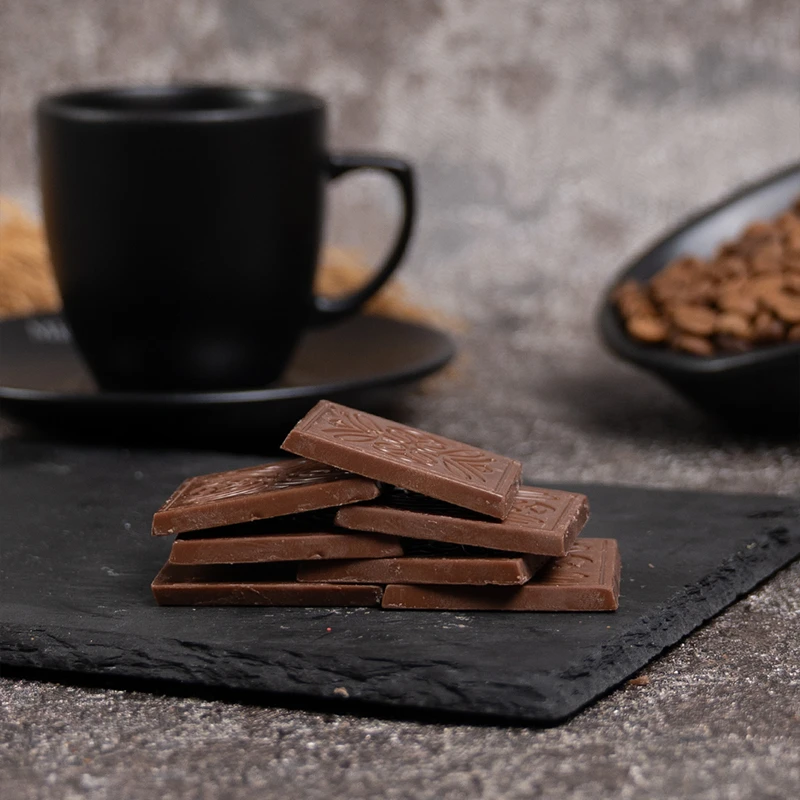
Chocolate, one of the world's most popular delicacies, not only meets the need for sweets; It is among the indispensable products of kitchens with its unique aroma, different varieties and wide usage area.
The Nutritious and Natural Form of Traditional Taste "Cezerye"
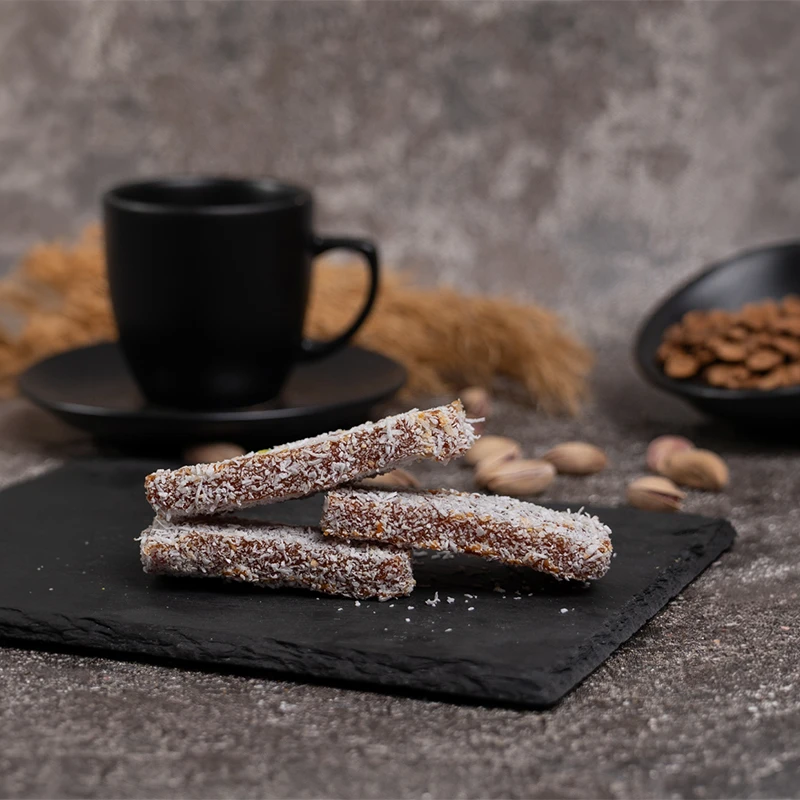
Cezerye, prepared with carrots, natural sweeteners and nuts, is one of the most popular desserts of traditional Turkish cuisine. This flavor, which stands out with its soft texture, unique aroma and nutritious content, is preferred both as a daily snack and as a treat on special occasions.
What is Cashew? Benefits, Nutritional Values and Consumption Recommendations
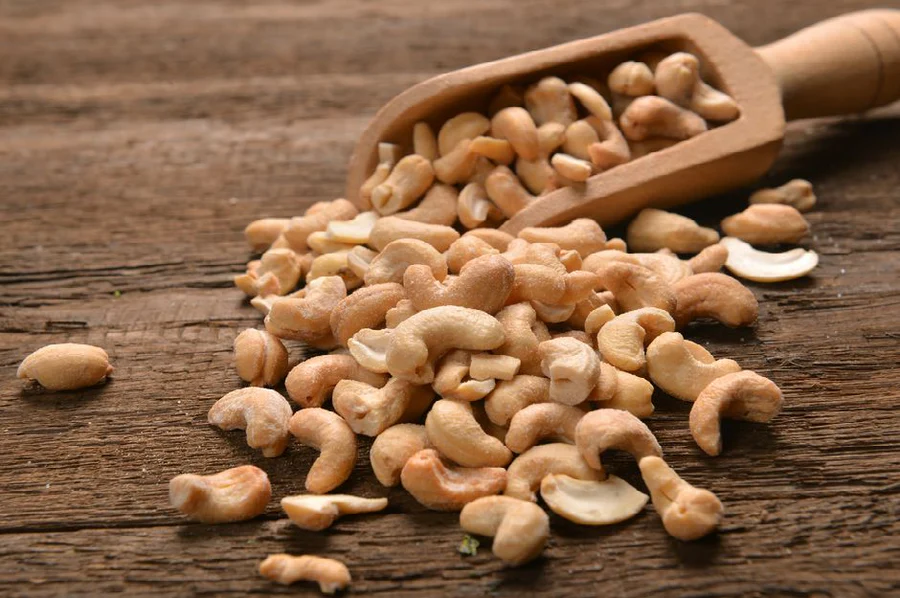
Standing out with its unique aroma, soft texture and high nutritional value, cashew is one of the world's most popular nuts. This food is rich in healthy fats, vitamins and minerals; It is preferred as an important part of a balanced diet. In this article, you can discover the properties of cashew, its growing conditions, its contributions to health and how it can be consumed in daily life.