



Bahçehan Magazine
Do Dried Fruits Make You Feel Full?
Dried fruit varieties are grown in many regions. For example, raisins and dried apricots usually thrive in hot, dry climates, while dried figs and dried dates are more typical of tropical areas. Drying is usually done in the sun or in special drying rooms.
Dried Fruits: Where They Grow
Dried fruit varieties are grown in many regions. For example, raisins and dried apricots usually thrive in hot, dry climates, while dried figs and dried dates are more typical of tropical areas. Drying is usually done in the sun or in special drying rooms.
Benefits of Dried Fruits
Dried fruits offer many health benefits. They are naturally high in fiber, support the digestive system, and dried fruits can help you feel full, which may reduce the tendency to overeat. They also contain natural sugars and provide energy. They are rich in antioxidants, vitamins, and minerals, which strengthens the immune system and supports cellular health.
Eating Dried Fruit on an Empty Stomach: The Best Way to Benefit
Eating dried fruits on an empty stomach provides the body with quick energy and nutrients. It is an ideal option especially at the start of a busy day or before exercise to supply energy.
Vitamins and Minerals in Dried Fruits
In general, dried fruits contain various vitamins and minerals. For example, vitamin A is important for eye health, vitamin C supports the immune system, potassium regulates nerve and muscle function, and iron is essential for blood health.
How Dried Fruit Benefits the Body
Because they contain antioxidants, dried fruits support cellular health, may reduce inflammation, and may slow aging. They can also regulate digestion, balance cholesterol levels, and support heart health.
Dried Fruit and the Feeling of Fullness
Because they are rich in fiber, dried fruits can help you feel full. Fiber slows digestion and keeps the stomach feeling satisfied longer, which may reduce overeating.
Dried fruits can be chosen as a healthy snack. However, portion control is important because dried fruits can be high in sugar. As part of a balanced diet, consumed in appropriate amounts, they can be beneficial for health.
Types of Dried Fruit and Their Features:
Dried fruits are healthy snacks obtained by removing water from fresh fruit or by drying. Many different fruits can be consumed dried, each with a unique flavor and nutrient profile. Here are commonly found dried fruits and their characteristics:
Raisins:
They have a sweet taste and are usually the most popular among dried grape varieties.
Rich in fiber, potassium, and antioxidants.
Supports digestive health, boosts energy, and strengthens the immune system.
Dried Apricots:
Naturally sweet with a soft texture when dried.
Contains vitamin A, potassium, and fiber.
Supports eye health, improves skin health, and regulates digestion.
Dried Figs:
Soft and sweet, naturally containing sugar.
Rich in fiber, iron, calcium, and potassium.
Eases digestion, supports bone health, and increases energy levels.
Dried Dates:
Sweet with a slightly caramel-like flavor.
Contains fiber, potassium, iron, and magnesium.
Supports the digestive system, boosts energy, and strengthens immunity.
Dried Plums:
Tart and sweet with an intense aroma when dried.
Contains vitamin C, fiber, and potassium.
Supports digestion, strengthens immunity, and is rich in antioxidants.
Dried Mulberries:
Mildly sweet with a soft texture.
Contains fiber, vitamin C, iron, and calcium.
Eases digestion, supports skin health, and increases energy levels.
Because of their natural sugar content and richness in fiber, vitamins, and minerals, dried fruits are a popular healthy snack choice. However, portion control matters when consuming them because they can be calorie-dense.

What You Need to Know About Chocolate
Chocolate, one of the world's most popular delicacies, not only meets the need for sweets; It is among the indispensable products of kitchens with its unique aroma, different varieties and wide usage area.

The Nutritious and Natural Form of Traditional Taste "Cezerye"
Cezerye, prepared with carrots, natural sweeteners and nuts, is one of the most popular desserts of traditional Turkish cuisine. This flavor, which stands out with its soft texture, unique aroma and nutritious content, is preferred both as a daily snack and as a treat on special occasions.
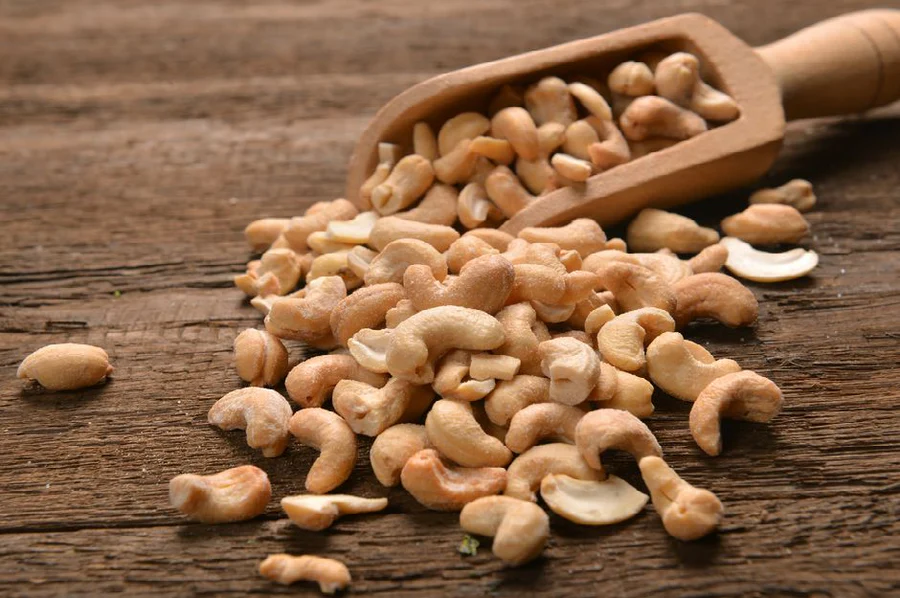
What is Cashew? Benefits, Nutritional Values and Consumption Recommendations
Standing out with its unique aroma, soft texture and high nutritional value, cashew is one of the world's most popular nuts. This food is rich in healthy fats, vitamins and minerals; It is preferred as an important part of a balanced diet. In this article, you can discover the properties of cashew, its growing conditions, its contributions to health and how it can be consumed in daily life.