


Bahçehan Magazine
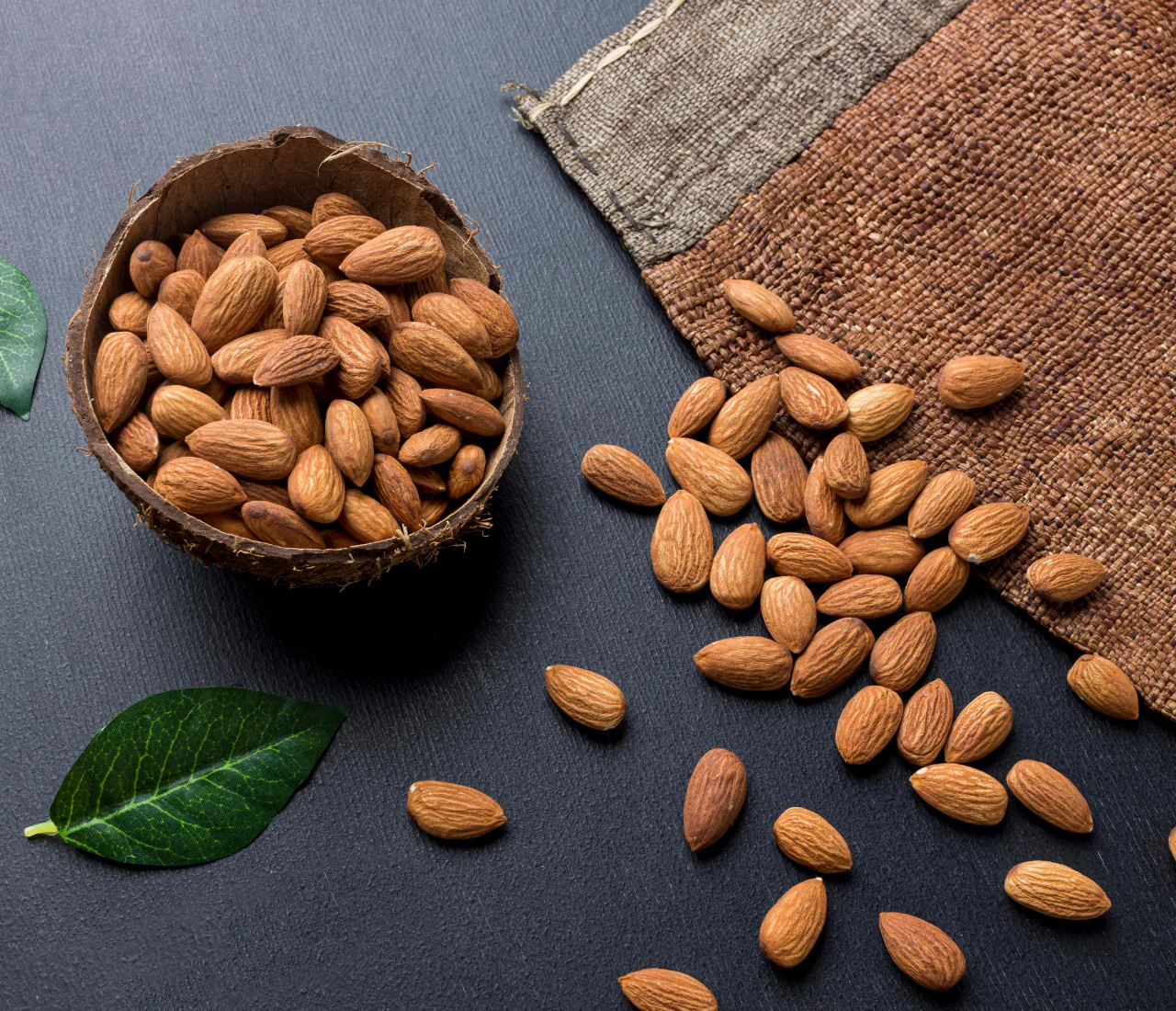
Almonds are Healthy Fats and Nutritious Energy Stores
The almond tree is grown in regions with a Mediterranean climate, especially in the Mediterranean basin, the Middle East and California. The almond tree grows best in temperate climates and sandy, well-drained soil. Traditionally, the almond tree is considered a symbol of the Mediterranean region and has been an important source of food in this region throughout history.
Where Do Almonds Grow?
The almond tree is grown in regions with a Mediterranean climate, especially in the Mediterranean basin, the Middle East and California. The almond tree grows best in temperate climates and sandy, well-drained soil. Traditionally, the almond tree is considered a symbol of the Mediterranean region and has been an important source of food in this region throughout history.
Various Benefits and Nutritional Value of Almonds
Almonds are a food rich in healthy fats, protein, fiber, vitamin E and antioxidants. These nutritional elements enable almonds to have positive effects on heart health, digestive system, skin and hair health, weight control and brain functions. Additionally, almonds support bone health, improve muscle functions and increase energy levels thanks to the minerals they contain.
What are the benefits of consuming almonds raw?
Almonds provide a quick source of energy and nutrients when consumed on an empty stomach. Thanks to its protein and healthy fat content, it gives a feeling of fullness and balances energy levels throughout the day. This prepares the body for the day and provides the necessary energy for daily activities, especially when consumed in the morning or before exercise.
Vitamins and Minerals Found in Almonds
Almonds are a source of vitamin E, magnesium, manganese, phosphorus and many other vitamins and minerals. While vitamin E has antioxidant properties, magnesium contributes to bone health and supports muscle functions. Manganese and phosphorus regulate the body's metabolic processes and help produce energy.
Do Almonds Make You Feel Full?
Thanks to the fiber and protein it contains, almonds give you a feeling of fullness and reduce the tendency to overeat when consumed as a snack. This is important for weight control and a healthy lifestyle. The feeling of fullness provides a great advantage in choosing almonds as a snack and encourages a more controlled diet during the day.
Natural Growth and Production Process of Almond
Almond is a natural product and is generally grown using organic farming methods. Chemical fertilizers and harmful pesticides are not used in the production process, ensuring that the almonds remain natural and pure. Hygienic conditions are taken into consideration during the growing and harvesting process and quality almond products are obtained.
Benefits of Almonds for Children
Nutritional Values: Almonds are rich in nutritional elements such as protein, fiber, healthy fats, vitamin E, magnesium and calcium. These nutrients provide the basic nutrients that children need during their growth and development period.
Brain Development: Almonds support brain health thanks to the omega-3 fatty acids and vitamin E they contain. When consumed regularly, it can increase children's mental abilities and concentration levels.
Bone and Dental Health: Almonds are rich in minerals such as calcium and phosphorus. These minerals support and strengthen children's bone and dental health.
Immune System: The antioxidants it contains help almonds support the immune system. This allows children to be more resistant to diseases.
Energy and Satiety: Almonds are rich in healthy fats and protein, which provide children with long-term energy and make them feel full. This feature allows children to focus better and maintain a more consistent energy level throughout the day.
Skin and Hair Health: Almond supports skin and hair health thanks to the vitamin E it contains. Maintains moisture balance in the skin and hairIt helps strengthen the
For these reasons, almonds can be considered a healthy snack or nutritious ingredient for children. However, when giving almonds to children, allergy conditions and age-appropriate portions should be taken into consideration.
Benefits of Raw Almonds
Supports Heart Health: Raw almonds are rich in healthy fats, especially unsaturated fatty acids. These fats can help lower bad cholesterol and reduce the risk of cardiovascular diseases, protecting heart health.
Supports Bone Health: Raw almonds are rich in minerals such as calcium, magnesium and phosphorus. These minerals help strengthen bones and maintain a healthy bone structure.
May Help Weight Control: Raw almonds are rich in fiber and protein, which can make you feel full and reduce the tendency to overeat. Thanks to its low glycemic index, it can help balance blood sugar and support weight control by providing a long-term feeling of satiety.
Rich in Antioxidants: Raw almonds are rich in antioxidants such as vitamin E. Antioxidants prevent cell damage and delay aging by fighting free radicals.
Supports Brain Health: Raw almonds support brain functions thanks to the omega-3 fatty acids and vitamin E it contains. This can increase cognitive functions and improve mental clarity.
Supports Skin and Hair Health: Raw almonds contain vitamin E and antioxidants, which support skin health, maintain moisture balance in the skin and can help strengthen hair.
Can Balance Blood Sugar: Raw almonds can help balance blood sugar due to their low carbohydrate and high protein content. This may help reduce the risk of diabetes and keep blood sugar under control.
Raw almonds can be an important part of a balanced diet and can be consumed regularly to support a healthy lifestyle. However, it is important to consume almonds in moderation and in appropriate portions. Additionally, people who are allergic to almonds should avoid its consumption.
Almond milk is a healthy drink used as a milk alternative. Here is a simple almond milk recipe and its benefits:
Almond Milk Recipe:
Ingredients:
1 cup raw almonds
4 glasses of water
Optional sweeteners (such as honey or maple syrup)
Vanilla extract or cinnamon (optional)
How to make:
Soak the almonds in water for at least 6 hours or overnight. This process softens the almonds and makes the milk creamier.
After soaking, drain the almonds and rinse thoroughly.
In a blender or food processor, blend the almonds with water until a smooth consistency.
Strain the almond milk using a strainer or cheesecloth. Take the milk you have obtained into a bowl.
Add optional sweeteners and flavorings, then mix again.
Store your almond milk in an airtight container in the refrigerator. You can keep it fresh for a maximum of 3-4 days.
Benefits of Almond Milk:
Lactose-Free and Suitable for Lactose Intolerance: Almond milk is ideal for those with lactose intolerance as it is a lactose-free alternative.
Low Calorie: Almond milk has a lower calorie content compared to bovine milk. Therefore, it may be preferred for those who control weight.
Supports Bone Health: Almond milk contains calcium and vitamin D, which supports bone health.
Improve Cholesterol LevelsBenefits: Almond milk contains healthy fats instead of saturated fats. This may improve blood lipid profiles and support heart health.
Supports Skin and Hair Health: Vitamin E and antioxidants in its content support skin health and help strengthen hair.
Supports Digestive Health: Almond milk supports the digestive system and relieves digestive problems thanks to its fiber content.
Vegan and Vegetable Source: It is a good herbal milk alternative for those who stay away from animal products or have a vegan diet.
Almond milk can be consumed with coffee, tea, smoothies or cereals. However, it is important to consider allergy conditions before consuming almond milk.
Almond milk can be consumed during pregnancy and children, but it is important to pay attention to some points:
Use of Almond Milk During Pregnancy:
Almond milk can be consumed as a milk alternative during pregnancy. The calcium, vitamin D and other nutrients it contains may be beneficial for mother and baby health.
However, some almond milks may contain sweeteners or additives. It is recommended to avoid such additives during pregnancy. Pure, natural almond milk should be preferred.
Consuming almond milk during pregnancy may help reduce the risk of allergies in babies with milk allergies.
Use of Almond Milk in Children:
Almond milk can be included in children's diet. However, almond milk may not meet the amount of protein children need because it does not contain milk protein. Therefore, various protein sources should be included in children's nutrition.
Some children may be allergic to almond milk. If your child has not had almond milk before, it is important to start with small amounts and observe possible reactions. If allergy symptoms occur, a healthcare professional should be consulted immediately.
Almond milk may be a good source of calcium to support children's bone health. However, when purchasing almond milk, choosing options with fortified calcium can help meet a child's calcium needs.
Some children may not like the taste of almond milk. In this case, you can try different milk alternatives for your child or offer almond milk in different ways to improve its taste.
In summary, consuming almond milk during pregnancy and in children is generally safe, but care should be taken in case of allergies and the nutritional needs of the child. If you have any concerns, it is important to consult a healthcare professional.
Almond butter is a snack rich in healthy fats, protein and fiber. Here is a simple almond paste recipe and its benefits:
Almond Paste Recipe:
Ingredients:
2 cups raw almonds
2-3 tablespoons honey or maple syrup (optional)
1-2 tablespoons coconut oil (optional)
A pinch of salt (optional)
How to make:
Preheat the oven to 175°C (350°F).
Spread the almonds on a baking tray and roast in the oven for 10-15 minutes or until lightly browned. Stir occasionally to ensure even browning.
Let the roasted almonds cool slightly. After it has cooled, put it in a blender or food processor.
Optionally add honey or maple syrup, coconut oil and salt.
Mix all the ingredients until you get a smooth consistency. You can add more coconut oil as needed to adjust the consistency of the mixture.
Transfer the resulting almond paste to an airtight jar.and store in the refrigerator. You can keep it fresh for a maximum of 2-3 weeks.
Benefits of Almond Paste:
Source of Healthy Fat: Almond paste is rich in healthy fats. In particular, it contains unsaturated fatty acids, which support heart health.
Source of Protein: Almond butter is rich in protein and supports muscle health. It is a good source of protein, especially for those on a vegan or vegetarian diet.
Fiber Content: Almond paste is rich in fiber, regulates digestion and provides a feeling of fullness.
Mineral and Vitamin Store: Almond paste contains many minerals and vitamins such as magnesium, phosphorus, iron, vitamin E and B vitamins. These nutrients support body functions and improve overall health.
May Help Balance Blood Sugar: Almond butter's low glycemic index can help keep blood sugar levels under control.
Supports Bone Health: The calcium and phosphorus it contains supports bone health and increases bone density.
Almond paste can be consumed by spreading it on bread or adding it to smoothies. However, portion control should be taken into consideration because almond butter can be high in calories. It is important to check for almond allergy before consuming almond butter to reduce the risk of allergic reactions.

What You Need to Know About Chocolate
Chocolate, one of the world's most popular delicacies, not only meets the need for sweets; It is among the indispensable products of kitchens with its unique aroma, different varieties and wide usage area.

The Nutritious and Natural Form of Traditional Taste "Cezerye"
Cezerye, prepared with carrots, natural sweeteners and nuts, is one of the most popular desserts of traditional Turkish cuisine. This flavor, which stands out with its soft texture, unique aroma and nutritious content, is preferred both as a daily snack and as a treat on special occasions.
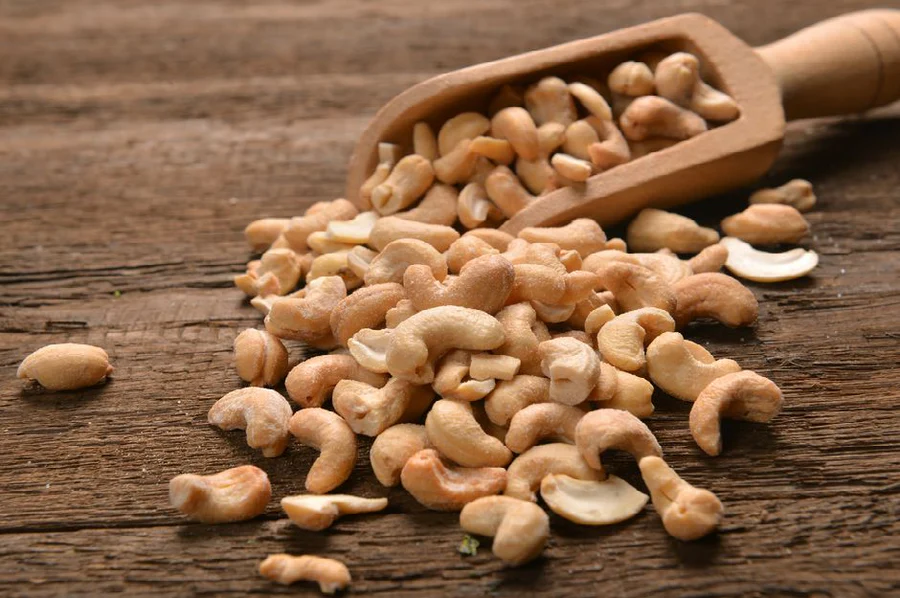
What is Cashew? Benefits, Nutritional Values and Consumption Recommendations
Standing out with its unique aroma, soft texture and high nutritional value, cashew is one of the world's most popular nuts. This food is rich in healthy fats, vitamins and minerals; It is preferred as an important part of a balanced diet. In this article, you can discover the properties of cashew, its growing conditions, its contributions to health and how it can be consumed in daily life.