



Bahçehan Magazine
How to Make Almond Milk? Do Almonds Make You Gain Weight, What Are They Good For and How Are They Grown?
Almond is one of the valuable nuts that has gained a strong place in both traditional nutrition and modern healthy living habits. While it can be consumed alone as a snack, it is also frequently used in desserts, breakfasts, salads, granola and herbal drink recipes.
Almond is one of the valuable nuts that has gained a strong place in both traditional nutrition and modern healthy living habits. While it can be consumed alone as a snack, it is also frequently used in desserts, breakfasts, salads, granola and herbal drink recipes. Especially in recent years, almond milk has become popular for those who do not consume animal milk, have lactose intolerance, or are looking for lighter beverage alternatives.
The most frequently asked questions about almonds are "how to make almond milk?", "do almonds make you gain weight?", "what are almonds good for?" and “how do almonds grow?” questions come. Because almonds are both nutritious and calorie-dense food. Therefore, it is necessary to recognize it correctly, consume it in the right portion and evaluate it according to its intended use.
Almonds are a powerful food that contains healthy fats, vegetable protein, fiber, vitamin E and various minerals. However, this strong nutritional profile does not mean that it can be consumed unlimitedly. The amount of almonds is important, especially for people who control their weight. Likewise, almond milk can be a very clean drink when prepared at home, plain and without additives; But when sugar, flavoring or intense sweetener is added, it turns into a different nutritional profile.
In this article, we will discuss the production of almond milk, the effect of almonds on weight, their benefits and the growing process in a simple but comprehensive way.
How to Make Almond Milk?
Almond milk is a herbal drink prepared by mixing almonds with water and straining them. Making almond milk at home is quite simple; However, to get a delicious and smooth result, it is necessary to pay attention to some steps. Since ready-made almond milk may contain additives, sugar, flavoring or thickeners, homemade almond milk offers a simpler and more controlled alternative.
To make almond milk at home, you must first use raw almonds. Roasted or salted almonds are not suitable for making milk; because it can make the drink taste heavy and spoil its natural aroma. For best results, raw, fresh and shellless or shelled almonds can be preferred. If shelled almonds are used, the color of the milk may be slightly darker and its flavor more intense.
The first step in making almond milk is to soak the almonds in water. Almonds are usually placed in water the night before and allowed to soften. This process helps the almonds break down more easily and produces a creamier milk. The soaked almonds are filtered and passed through clean water the next day. Then it is put into the blender and drinking water is added.
As a general measure, 3 or 4 glasses of water can be used for 1 glass of raw almonds. If a thicker almond milk is desired, the amount of water can be reduced. The amount of water can be increased for a lighter drinkable almond milk. The almonds are soaked with water at high speed for a few minutes. When the mixture becomes white, milky and slightly foamy, the filtering phase is started.
Fine cheesecloth, a clean cloth bag or a herbal milk filter bag can be used for filtration. After the mixture is filtered, almond pulp remains. This pulp does not have to be thrown away; It can be used in cookies, cakes, granola or breakfast recipes. Prepared almond milk should be poured into a glass bottle and stored in the refrigerator. Since homemade almond milk is additive-free, it should be consumed in a short time.
Almond milk can be drunk plain or sweetened with cinnamon, dates, vanilla or a little honey. However, for healthy use, it is a better choice to consume it without adding sugar.. It can be easily used in coffee, smoothie recipes, oat bowls or as a herbal drink alternative.
Do Almonds Make You Gain Weight?
The answer to the question "Do almonds make you gain weight depends on the amount consumed?" Almonds alone are not a food that makes you gain weight. Weight gain occurs when the total calories taken during the day exceed the energy spent. Since almonds are a calorie-dense nut, they can contribute to weight gain when consumed in excess. However, when consumed in the right portion, it can be a quality snack that supports weight control.
The satiating feature of almonds is quite strong. It contains healthy fats, vegetable protein and fiber. This triple structure can help digestion proceed slower and stay full for longer. A small portion of almonds can be a good alternative, especially for people who have problems with sweet cravings, sudden hunger, or turning to packaged snacks during the day.
The problem usually occurs when portion control is not exercised. Since almonds are small and delicious, they can be eaten in large quantities without being noticed. While a few almonds can be a healthy snack, a large bowl of almonds can seriously increase your daily calorie intake. Especially roasted, salted, honey or sugar-coated almond varieties are riskier than plain raw almonds in terms of weight control.
For people on a diet, the best approach to almond consumption is to choose small portions. Usually, an amount smaller than a handful can be enough for a snack. Putting almonds in a small bowl instead of eating them directly from the package prevents overconsumption. It is also necessary to be careful when consuming almonds with dried fruits. When eaten with foods such as raisins, dates or figs, the total amount of calories and sugar may increase.
The question "Do almonds help lose weight?" is frequently asked. Almonds are not a food that directly loses weight; However, when consumed in the right amount, it can help you have a more balanced diet by increasing the feeling of fullness. Therefore, instead of banning almonds during the weight loss process, it is more logical to adjust the portion correctly.
As a result, the clear answer to the question of whether almonds make you gain weight is this: When consumed in moderation, it does not cause weight gain; When consumed excessively and uncontrolled, it can create a calorie surplus. The most balanced choice is raw, unsalted and plain almonds.
What Are Almonds Good For?
The question of what almonds are good for is directly related to the nutritional value of almonds. Almond; It is a powerful nut that supports daily nutrition with its healthy fats, vegetable protein, fiber, vitamin E and mineral content. When consumed regularly and in moderation, it can help keep you full, improve the quality of snacks, support skin health and contribute to energy balance.
One of the most well-known properties of almonds is that they keep you full. Thanks to its fiber, protein and fat content, it can prevent hunger in a short time. Almonds are a good snack option, especially for people who work at a busy pace, tend to have unhealthy snacks between meals, or want to control their sweet tooth. However, this benefit is only valid for moderate consumption. Consuming too many almonds, even if they are healthy, may mean taking in more calories than necessary.
Almonds are also known for their vitamin E content. Vitamin E is an important vitamin for skin health and cell protection. For this reason, almonds should not be seen as a miracle food in skin care; However, when it is part of a healthy diet, it can contribute to some nutrients that the skin needs. Likewise, almond oil is also a traditionalIt is one of the natural oils used in skin and hair care; However, consumption of almonds as food and use of almond oil for care purposes should be evaluated separately.
Almonds are also frequently included in heart-friendly diets. The reason for this is the unsaturated fatty acids it contains. Consuming plain almonds instead of processed snacks in a balanced diet plan can provide a better source of quality fat. However, the best choice for heart health is unsalted almonds. Salted almonds should be used more carefully in regular consumption as they may cause excessive sodium intake.
Almonds are also an energy-giving food. For this reason, it can be a good support in small portions for those who do sports, work hard or go hungry for a long time during the day. It may aggravate the stomach when consumed in large amounts before exercise; However, it can support energy balance when consumed at the right time as a snack.
The summary of the question of what almonds are good for is as follows: Almonds can contribute to staying full, high-quality fat and vegetable protein intake, vitamin E support and healthy snack habits. However, it should not be seen as a stand-alone therapeutic product for any disease.
How to Grow Almonds?
Almond is a tree species that loves warm and temperate climates. It generally grows more efficiently in regions where summers are hot and dry and winters are not very harsh. Since the almond tree has an early flowering structure, it may be affected by late spring frosts. Therefore, climate selection is very important in almond cultivation. In order for the tree to grow healthily, sunny areas, well-drained soils and appropriate irrigation patterns are required.
The first step in almond cultivation is choosing the right saplings. Almond varieties suitable for the climate of the region, productive and disease resistant should be preferred. Not every almond variety performs the same in every region. For this reason, the altitude of the planting area, frost risk, soil structure and irrigation facilities should be taken into consideration.
The almond tree generally grows well in calcareous, slightly stony and water-retentive soils. Heavy, constantly wet and poorly drained soils can negatively affect root development. Although the almond tree is known to be drought-resistant, it needs water, especially during certain periods, to produce productive crops. Experiencing water stress during flowering, fruit set and internal filling periods may reduce product quality.
Almond trees usually bloom in early spring. Some varieties may need other almond varieties to pollinate the flowers. For this reason, pollinator varieties should be planned when setting up the garden. Bee activity also plays an important role in almond yield. If there is sufficient bee movement during the flowering period, fruit set may be better.
The almond fruit first develops as a green shell. Over time, the outer shell dries and begins to crack. When it is time to harvest, almonds are shaken from the tree or collected by mechanical methods. They are then separated from their outer shells, dried and stored. If the drying process is not done properly, moisture, mold or loss of quality may occur in almonds. Therefore, the post-harvest process is as important as cultivation.
The short answer to the question of how almonds grow is: Almond; It is a tree that loves the sun, requires balanced water, thrives in well-drained soil and provides high productivity in the right climate. To produce quality almonds, simply planting saplings is not enough; Climate, soil, irrigation, pruning, pollination and post-harvest drying processes must be managed correctly.
What to Consider When Making Almond Milk?
The most important point when making almond milk is to useIt is the quality of the almonds to be processed. Delicious milk cannot be obtained from stale, bitter, moist or bad-smelling almonds. Therefore, before preparing almond milk, it is necessary to make sure that the almonds are fresh. Using raw and unsalted almonds is the best choice. Milk made with roasted almonds may be more heavily flavored and may not provide the desired plain flavor.
Soaking almonds in water directly affects the result when making almond milk. Almonds that are not kept long enough may not be completely crushed in the blender and the milk may be rougher. Soaking in water overnight allows the almonds to soften and reach a milky consistency more efficiently. It is also important to pour out the waiting water and rinse the almonds with clean water.
The ratio of water determines the consistency of almond milk. For a thicker and creamier drink, less water can be used. If a lighter drinkable milk is desired, the amount of water can be increased. The consistency of homemade almond milk can be adjusted entirely according to personal preference. This is a significant advantage over ready-made products.
The filtering process is also important for quality. A smoother result is obtained when using thin cheesecloth or a milk straining bag. It is possible to consume directly without filtering; However, in this case the drink will be more dense and pulpy. Consuming pulp may be advantageous in some recipes, but filtered almond milk is more suitable for coffee or beverage use.
Since homemade almond milk is additive-free, it should be stored in the refrigerator and consumed as soon as possible. As you wait, decomposition may occur within you; This is normal. It is sufficient to shake the bottle before consumption. If there is a sour smell, different taste or severe signs of spoilage, it should not be consumed.
What are the benefits of almonds?
The benefits of almonds come from its nutritional elements that make it valuable in daily nutrition. Being rich in components such as healthy fats, vegetable protein, fiber, vitamin E, magnesium and calcium makes almonds not only a snack but also a functional food. However, these benefits gain meaning with regular and moderate consumption.
One of the most practical benefits of almonds is that they provide satiety. Consuming a few almonds, especially during snacks, can reduce sudden hunger. This feature provides an advantage for those who do not want to turn to processed and sugary snacks. The fibrous structure of almonds can support the digestive process; However, when consumed in excess, it may cause stomach heaviness or bloating in some people.
Almonds are also frequently associated with skin and hair health. This is mainly due to its vitamin E and healthy fat content. Taking vitamin E in regular diet can contribute to maintaining the normal structure of the skin. However, almonds alone do not solve skin problems. Skin health; It should be evaluated together with water consumption, sleep, stress, hormone balance and general nutrition.
Another advantage of almonds is that they are practical. It can be easily carried in a bag, in the office, at school or on a trip. The risk of spoilage is lower than many fresh foods. Therefore, it is a good option for those who want to gain a healthy snack habit. However, since almonds are an oily nut, they should not be kept in a hot and humid environment for a long time.
Almond benefits include energy support. On busy days, a small portion of almonds can provide more balanced energy. It may be a better habit to choose almonds instead of sugary snacks, especially with coffee.
Where is Almond Milk Used?
Almond milk can be used in many recipes as a herbal drink. One of the most common uses is coffee. plain almond milkIt gives a slightly aromatic taste to coffee. However, since homemade almond milk is pure, it may not froth as much as ready-made barista milk. This is a natural situation. If foam performance is desired, it can be prepared with a thicker consistency.
Almond milk can be used with oats for breakfast. Almond milk can be preferred instead of cow's milk when preparing overnight oats. A more satisfying breakfast can be prepared by adding fruit, cinnamon and a few almonds. Almond milk also creates a light and herbal base in smoothie recipes.
Almond milk can be considered a lighter alternative in dessert recipes. It can be used in recipes such as pudding, chia seed dessert, pancakes, cakes and pudding. However, since the consistency of almond milk is different from cow's milk, measurement adjustments may be necessary in some recipes. Especially in recipes that require a very thick consistency, using almond milk prepared with less water gives better results.
Almond milk can also be consumed as a plain drink. It can be made naturally flavored by adding cinnamon, vanilla or a few dates. However, if sweetener is added, the number of calories increases. Therefore, it may be a better choice to use it plain for regular consumption.
Almond milk is also a practical option for those looking for a lactose-free beverage alternative. However, it is not suitable for people with almond allergies. Additionally, homemade almond milk is not the same as cow's milk in terms of protein. Therefore, it should not be considered in the same role in nutrition.
How Should Almonds Be Consumed?
To consume almonds in the healthiest way, it is necessary to choose their plain, raw and unsalted form. Raw almonds offer a simpler ingredient than roasted and salted varieties. However, roasted almonds can also be preferred when consumed in moderation. The important thing is that the product is not burnt, overly salty, sugary or coated.
It is important to limit almonds to small portions in daily consumption. It is better to choose a more controlled amount instead of a handful of almonds, especially in terms of weight management. Almonds are a calorie-dense food; Therefore, when consumed in excess, it can increase daily energy intake.
Almonds can be consumed with oats, yoghurt or fruit for breakfast. A few almonds can be preferred with black coffee or unsweetened tea for snacks. Using chopped almonds in salads gives good results in terms of both taste and texture. In desserts, it can be used as almond flour, almond pieces or almond milk.
Consuming almonds with or without shells depends on personal preference. While shelled almonds offer a more natural consumption, unshelled almonds provide a softer mouthfeel. Shelled almonds can be used when making almond milk; However, if a lighter colored and smoother milk is desired, the skins can be peeled.
Storage conditions are also important. Since almonds contain oil, they may become stale if left out for a long time. It should be stored in a cool, dry and light-free environment, in airtight containers. If a large amount is purchased, some of it can be kept in the refrigerator.
Frequently Asked Questions
Can almond milk be made at home?
Yes, almond milk can be easily made at home. Raw almonds are soaked in water overnight, then blended with clean water and filtered. Since homemade almond milk is additive-free, it should be stored in the refrigerator and consumed as soon as possible.
Which almonds are used for almond milk?
The best option for making almond milk is raw and unsalted almonds. Roasted, salted or sugared almonds are not suitable for milk production. For a simpler and more natural taste, fresh raw almonds should be preferred.
BadeDoes m make you gain weight?
Almonds do not cause weight gain when consumed in moderation. However, since it is dense in calories, it can increase daily energy intake when consumed in excess. For weight control, small portions should be preferred and raw and unsalted almonds should be chosen.
What are almonds good for?
Almonds can contribute to staying full, healthy fat intake, vegetable protein support and vitamin E intake. It offers a more balanced option for snacks. However, it should not be seen as a therapeutic product for any disease.
Does almond milk make you lose weight?
Almond milk alone does not lose weight. However, when prepared plain and sugar-free, it can be a low-density, light beverage alternative. What is important in the weight loss process is general nutritional balance and calorie control.
How do almonds grow?
Almond tree loves warm and temperate climates. It grows healthier in sunny areas and well-drained soils. Since it blooms early, it may be affected by late spring frosts. For efficient cultivation, the right variety, appropriate climate, irrigation and pollination management are required.
How long does almond milk last?
Homemade almond milk does not last long because it has no additives. It should be stored in a glass bottle in the refrigerator and consumed in a short time. If there is a sour smell, different taste or signs of spoilage, it should not be consumed.
Can almond milk be used in coffee?
Yes, almond milk can be used in coffee. It gives a light almond flavor to the coffee. However, since homemade almond milk is pure, it may not froth as much as ready-made barista milk. The amount of almonds can be increased for a thicker consistency.
Are raw almonds or roasted almonds better?
For regular consumption, raw and unsalted almonds are a simpler option. Roasted almonds offer more intense flavor; However, overly roasted or salty products should be avoided. The simple form is more advantageous for health-oriented use.
Can almonds be given to children?
Almonds can be given to children according to their age. Whole almonds should be offered with caution as there is a choking risk in young children. If necessary, it should be given crushed, ground or mixed into recipes.

What You Need to Know About Chocolate
Chocolate, one of the world's most popular delicacies, not only meets the need for sweets; It is among the indispensable products of kitchens with its unique aroma, different varieties and wide usage area.

The Nutritious and Natural Form of Traditional Taste "Cezerye"
Cezerye, prepared with carrots, natural sweeteners and nuts, is one of the most popular desserts of traditional Turkish cuisine. This flavor, which stands out with its soft texture, unique aroma and nutritious content, is preferred both as a daily snack and as a treat on special occasions.
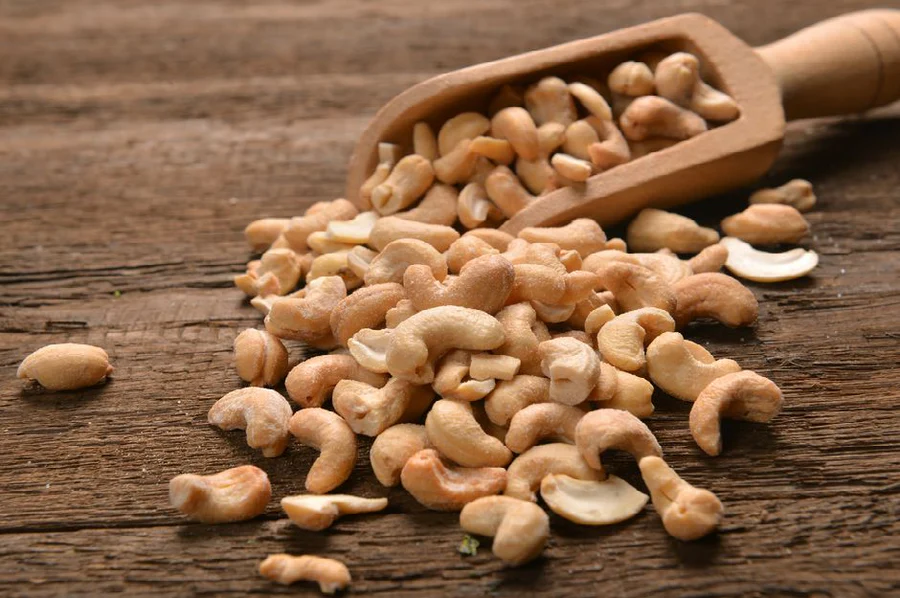
What is Cashew? Benefits, Nutritional Values and Consumption Recommendations
Standing out with its unique aroma, soft texture and high nutritional value, cashew is one of the world's most popular nuts. This food is rich in healthy fats, vitamins and minerals; It is preferred as an important part of a balanced diet. In this article, you can discover the properties of cashew, its growing conditions, its contributions to health and how it can be consumed in daily life.